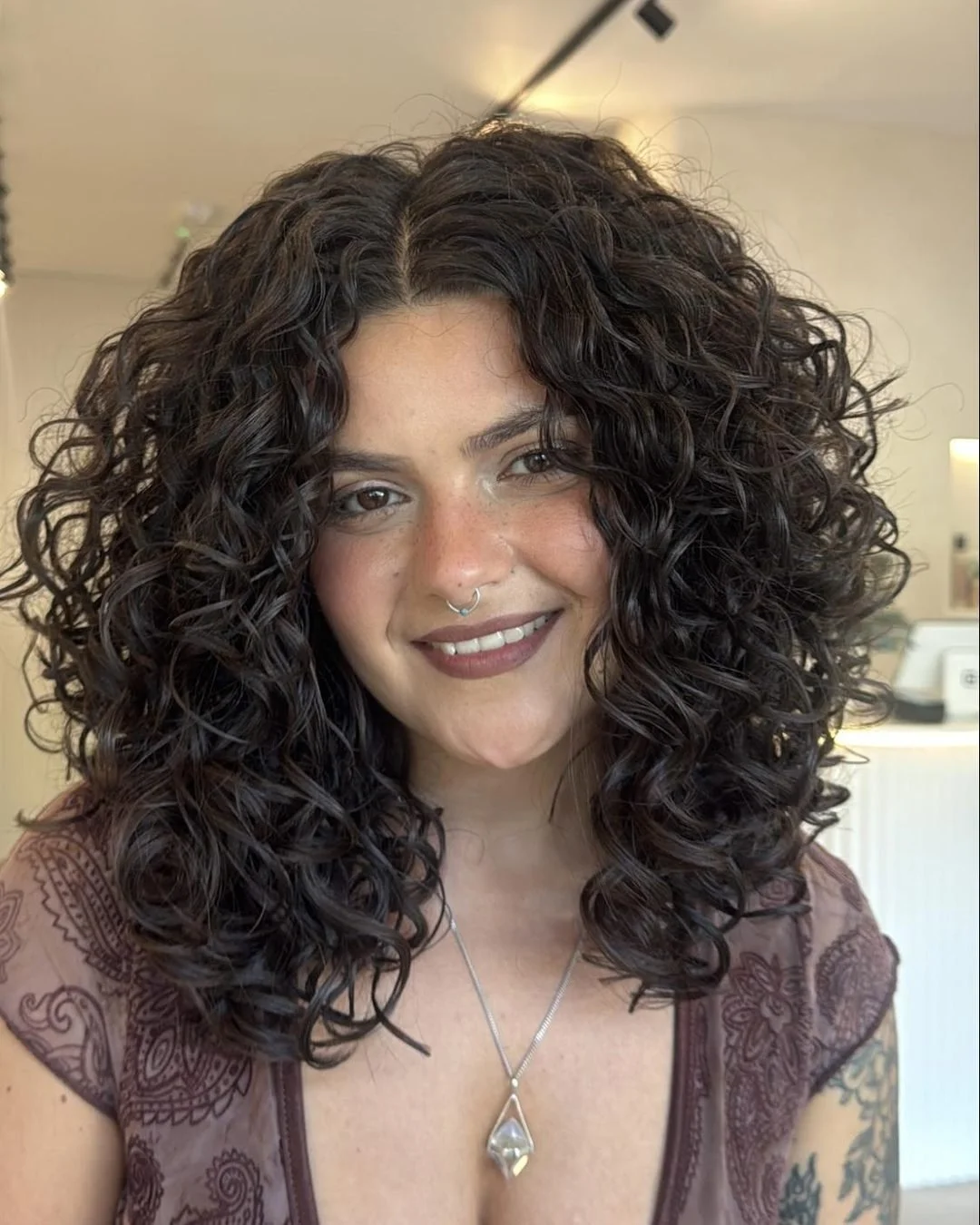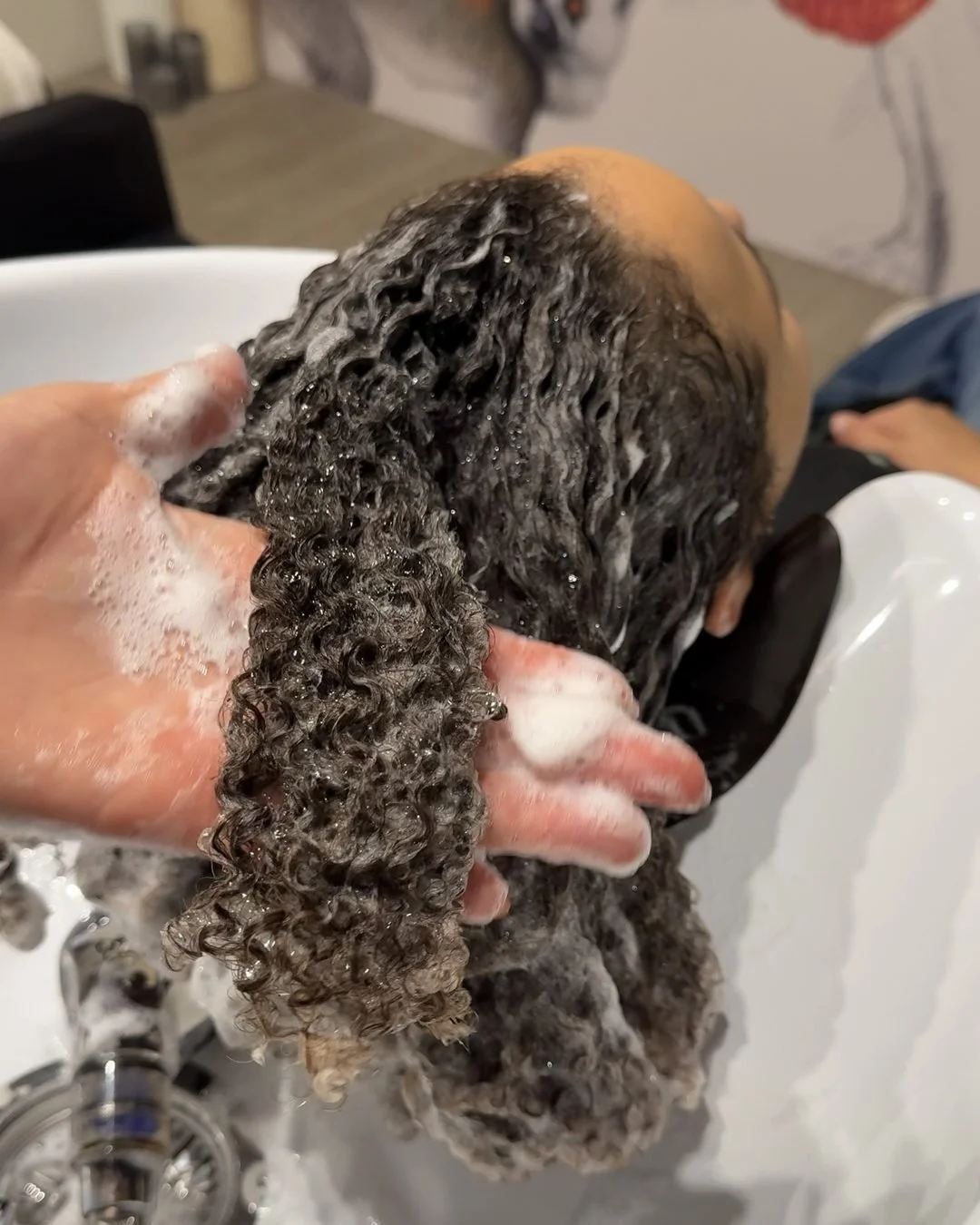
You've done everything right, you've built a routine and you've invested in the right products.. And your hair still won't get properly wet in the shower. Products still sit on top instead of sinking in. Your curls still feel dry, dull, and reluctant to clump the way they used to.
If you've been told this means you have low porosity hair, you might be chasing the wrong fix.
The mix-up: porosity vs. buildup
Low porosity hair has a tight, closed cuticle, so it genuinely resists water and product. That's just how the fibre behaves, consistently, regardless of where you live or what's changed recently.
But there's a second condition that looks almost identical and gets misread as low porosity constantly: mineral buildup from hard water. Calcium and magnesium in the water supply bond to your hair strand by strand, coating the cuticle and making it feel like your hair has suddenly turned low porosity, even if it never behaved that way before.
The giveaway is the timeline. Your hair porosity is a lifelong trait. Hard water buildup is a recent, environmental problem, and it's fixable.
What hard water is actually doing to your curls
Every wash in hard water deposits a little more mineral residue on the hair shaft. Over time that builds a barrier that:
Stops water soaking in properly, so hair feels dry no matter how much you condition
Increases friction between strands, which shows up as frizz and tangling
Stops your styling products absorbing, so they sit on the surface instead of working
Makes curls lose their clump and definition
Leaves hair feeling coated, heavy, or oddly rough to the touch
None of this is your technique. It's what's coming out of the tap.
The tell-tale signs
You're likely dealing with buildup, not porosity, if:
Your hair takes ages to get properly saturated in the shower
Products noticeably sit on top rather than sinking in
This is a change from how your hair used to behave
You live in, or have recently moved to, a hard water area
What actually helps
The fix isn't another deep conditioner or protein treatment, and it isn't a standard clarifying shampoo either (those are built for oil and product residue, not minerals). What you need is a chelating shampoo, formulated specifically to bind to and lift mineral deposits off the hair.
Used little and often, it should be followed straight away with a conditioner or mask for your hair type, since lifting buildup can leave hair thirsty for hydration afterwards. How frequently you need it depends on how hard your water is and how much buildup has accumulated, so it's worth getting a proper read on your hair before you commit to a routine.
Two to try at home
If it's your first time chelating, or your buildup is mild: OUAI Detox Shampoo is a good, gentle entry point. It lifts everyday mineral and residue buildup without over-stripping, so it's a safe once-every-few-weeks addition to your routine.
If your area is known for hard water or it's been a while: Malibu C Hard Water Wellness Shampoo is built specifically for this. It pairs chelation with antioxidant support, so it tackles mineral buildup and the oxidative dulling that comes with it in one wash. Reach for it more regularly if you're in a known hard water area, then scale back to maintenance once your hair feels like itself again.
Either way, always follow with a hydrating conditioner or mask straight after.
If you're in a hard water area long-term, it's also worth fitting a shower filter. It won't undo existing buildup, but it cuts down how much minerals reaches your hair in the first place, so you're not starting the cycle again with every wash.
Ask your curl stylist
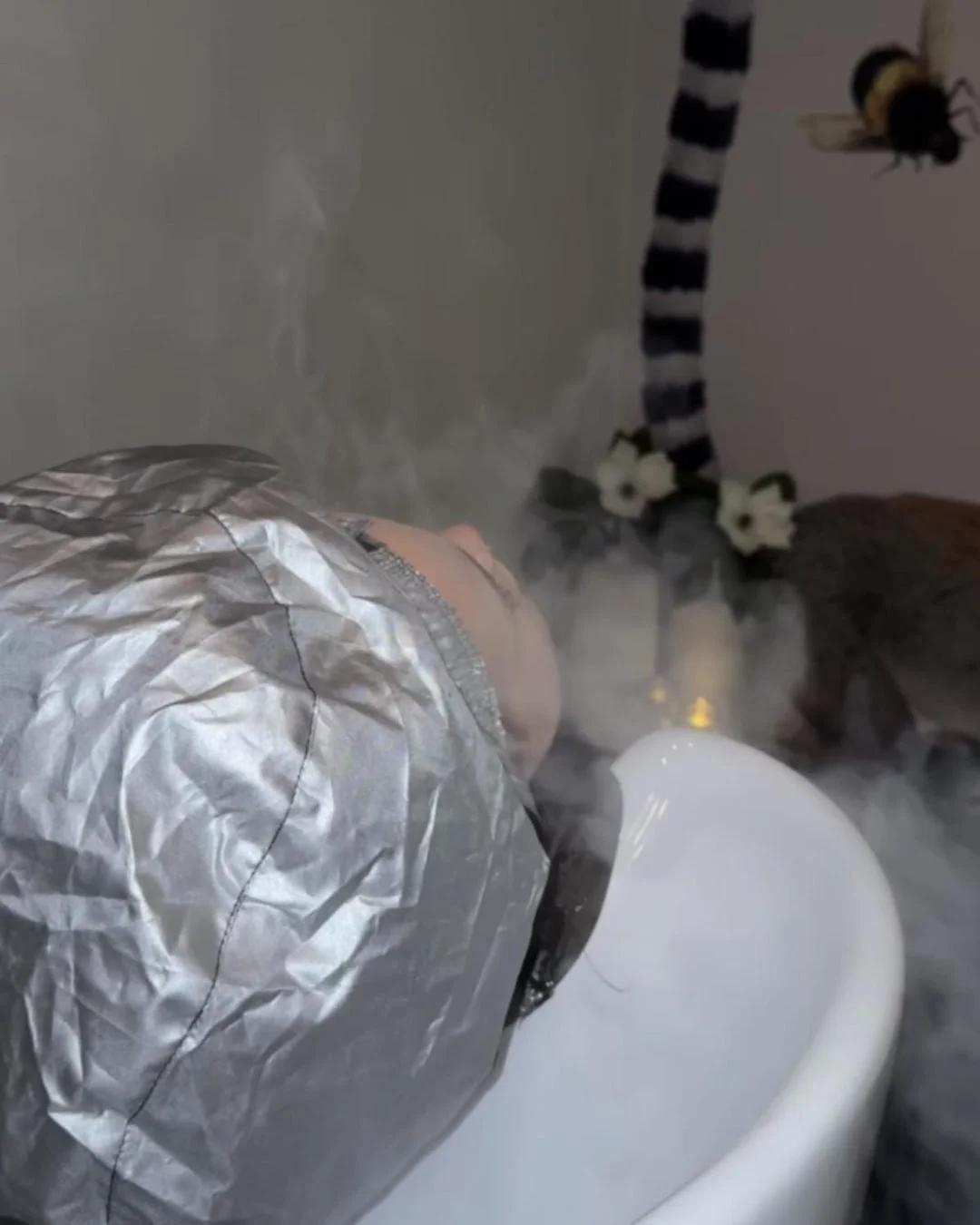
If any of this sounds familiar, don't just swap products and hope. Bring it up at your next appointment. At Thriv Salon we can tell the difference between genuine low porosity, hard water and buildup by looking at how your hair is actually behaving right now, along with our in salon treatments to start the process to happy healthier hair. Followed by a personalised routine and product recommendations to take home with you.
If you are still unsure of what's best for your hair, book a consultation with the team today who can guide you through our treatment menu, along with advice on all things cutting & styling.
*All consultations are priced at £30 but will come off your future appointment if you choose to book with us.